Choose “Save as PDF” in the dialog. If it didn’t appear, tap the button above.
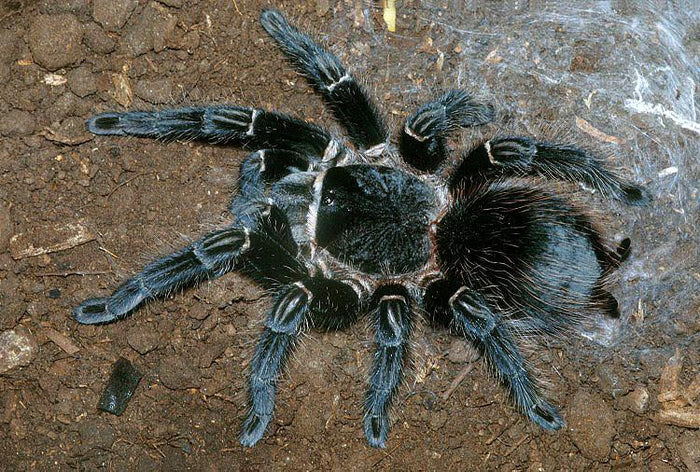
The Salmon Pink Birdeater (Lasiodora parahybana, 'LP') is the fourth-largest tarantula on Earth and the giant most keepers can actually get — 9–10" of dense, salmon-bristled spider from the forests of Paraíba, Brazil. It grows fast (near-adult in about two years), eats like a machine, and stays out on display commanding real presence. Despite the size and a dramatic feeding response it's famously tolerant, which makes it a doable first giant for a keeper ready to respect the scale, the fangs, and the potent urticating hairs.
A large terrestrial footprint — a 20+ gallon or equivalent, floor space over height, substrate filled to keep any fall short (a heavy giant can rupture its abdomen). Big cork hide, a substantial water dish, cross-ventilation. It makes shallow burrows for security. Adults need real room.
4–6 inches of coco fibre, peat or chemical-free potting soil, lightly damp below and drier on top, with a large water dish. It digs shallow retreats. Ventilate the damper base; drip the sides to moisten rather than flooding.
A legendary feeding response — few things in the hobby hit prey like a hungry LP. Prey to abdomen size (it can take large crickets, roaches, the occasional pinkie for adults, though a varied insect diet is plenty). Slings/juveniles twice weekly to fuel fast growth; adults one large item weekly. Remove uneaten prey in 24 hours.
Beginner-to-intermediate by temperament but advanced by scale — generally tolerant and bold rather than defensive, though a big spider with large fangs and copious Type I/III urticating hairs that it will flick when irritated. The hairs are genuinely irritating at this size. Wash up and keep them from your face after enclosure work. A hands-off display giant.
Our pick for a first giant — everything impressive about the huge birdeaters (size, growth, that jaw-dropping feeding strike) in a hardy, tolerant, affordable package. Respect the scale: big fangs, potent hairs, real room required. Give it space, a moderate-moist floor, and a big water dish, and you've got a genuine centrepiece that grows from tiny sling to monster in a couple of years.